Always Selling: The Truth About Every Customer Interaction
If you don't think you're a salesperson, you may need to look in the mirror.
There is an old mentality among some of the best salespeople, business leaders, and driving forces in the financial world: Always selling.
It doesn't mean being pushy. It doesn't mean turning every conversation into a pitch. And it certainly doesn't mean selling somebody something they don't need. It means understanding one simple truth: you are always selling something.
You sold yourself when you applied for your job. You wrote a résumé. You explained your experience. You presented your abilities. You negotiated a salary based on the value you believed you could deliver. You made a sale. And you've been selling ever since.
You Were Sold Today, Too
Think about your own day. Drive down the street and somebody is selling you gas. Pull up to the pump and the screen is selling you something inside the store. Walk inside and suddenly it's two for $5, your favorite drink is on special, and there's something next to the register you didn't know you needed five minutes ago.
Someone was selling.
Now go home. How did dinner get into the refrigerator? Somewhere along the way, somebody sold you those products. Look at what your kids are wearing — chances are they were sold on what's popular. What phone are you carrying? What shoes are you wearing? What vehicle are you driving? What are you going to watch after dinner? At some point, you were sold.
Advertising, recommendations, reviews, reputation, convenience, trust, presentation, price, emotion, or simply a great experience influenced a decision. Now turn that around and bring it back into your shop. Your job is to sell, too.
They're Buying You
Your customer isn't only buying the dealership, repair facility, body shop, tire store, or service department. They're buying you.
The dealership already sold them the vehicle. The tire shop down the street sold them tires. The body shop sold them on repairing the dent. Now they're standing in front of you. It's your opportunity.
Maybe today's opportunity is an oil change. Maybe it's maintenance. Maybe it's a diagnostic inspection. Maybe it's a major repair. But before the customer buys any of those things, they have to buy something else first: confidence in you.
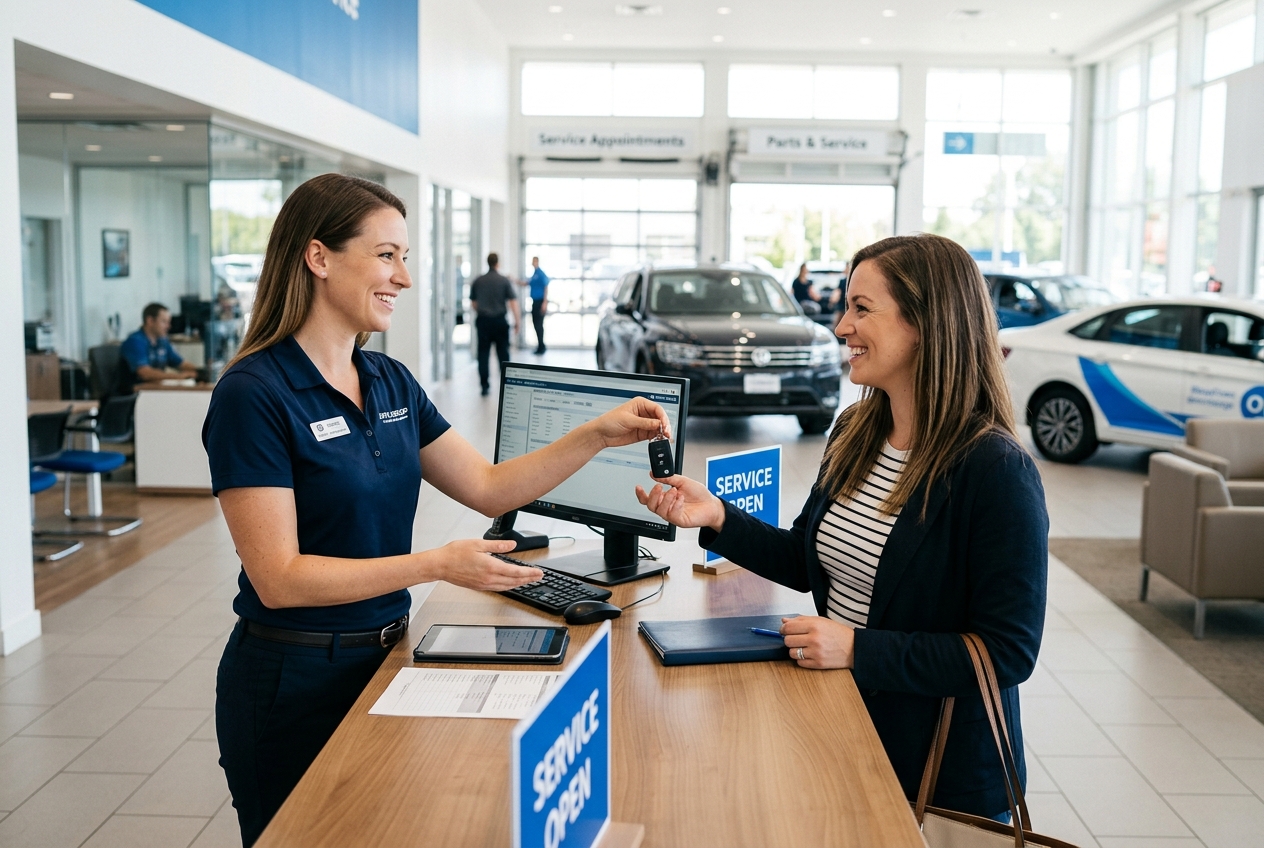
If you can't earn the keys, you can't perform the work. And if the customer walks away with those keys still in their hand, it's worth asking yourself:
- Did I answer the questions?
- Did I explain the value?
- Did I listen?
- Did I establish confidence?
- Did I make the customer comfortable?
- Did I actually ask for the business?
Or did I simply give them a price and hope? There's a difference.
You Can Sell Without Ever Seeing the Customer
Can you sell without seeing somebody? Absolutely. Some of the best salespeople in the world do it every day. It's called telephone sales.
A customer can hear whether you're interested. They can hear whether you're smiling. They can hear whether they're interrupting you. They can hear confidence — and they can certainly hear indifference.
How you pick up the phone matters. How you introduce yourself matters. How you ask questions matters. How carefully you listen matters. How you answer matters. And how you close the conversation matters. A customer may decide whether they'll trust you with a $100 service, a $5,000 repair, or a $100,000 vehicle without ever shaking your hand. That's selling.
Getting the Keys Is Only Sale Number One
Now the customer is in your office. You got the keys. Great. But don't confuse getting today's job with completing the sales process. The biggest opportunity may come after the service.
Why? Because outstanding service sells the next visit. If you do what you promised, communicate properly, perform quality work, respect the customer's time, explain what was done, and treat them like you would want your own family treated, something powerful happens. They don't just want the dealership next time — they want you.
That's the difference between making a transaction and building a pipeline. You sold them once. Then twice. Then three times. Eventually you don't have to constantly hunt for the next customer, because previous customers are helping fill the funnel.
Your Customer Becomes Your Salesperson
Word of mouth never disappeared. The internet simply gave it a much bigger microphone. A happy customer can tell family, coworkers, friends, neighbors, and hundreds — or thousands — of people online. An unhappy customer can do exactly the same thing.
That means the customer you are helping today may also be one of tomorrow's most powerful salespeople. You don't employ them. You don't pay them commission. But they'll sell your reputation every time someone asks: "Do you know somebody I can trust?"
That's why the experience matters. You're not only selling today's repair. You're selling tomorrow's referral, the next appointment, retention, your reputation, and the reputation of everyone working beside you.
What About the Person Who Is Always Selling?
Everybody knows one. They're always handing out business cards. Always talking to people. Always saying, "Come see me." Sometimes that person might even be a little annoying. But ask another question: is their pipeline empty? Often, it isn't. They're constantly creating opportunities.
That doesn't mean everyone should shove business cards into strangers' hands. The lesson is the mentality. Don't wait until you're desperate for business before you start building relationships. Feed the pipeline every day: one conversation, one follow-up, one satisfied customer, one referral, one additional appointment — one opportunity at a time.
Selling Through Process → Procedure → Reference
This is where the Centennial approach fits naturally.
Process — Understand the Need
Don't immediately start pitching. Ask questions. Listen. What brought the customer in? What are they concerned about? What do they need today? What might they need tomorrow? What would make them comfortable moving forward? That's the Process.
Procedure — Explain the Solution
Now take what you've learned and communicate clearly. What did you find? What do you recommend, and why? What happens if they wait? What are the alternatives? What is the next step? And finally — ask for the business. That's the Procedure.
Reference — Show Them Why
Don't expect customers to simply take your word for everything. Show them. Use the inspection, photographs, measurements, maintenance history, estimates, manufacturer recommendations, and documentation to support what you're saying.
Around the shop we sometimes joke about CYA — Cover Your Actions. But good documentation does much more than protect the business. It builds credibility. "Here's what we found. Here's the picture. Here's the measurement. Here's why we're recommending it." Now you're not simply selling — you're educating. And educated customers make confident decisions.
Give Them What You Would Want Your Family to Receive
This may be the simplest sales philosophy of all. If this were your mother, father, spouse, child, or best friend standing at the counter, what would you tell them? What would you recommend? What would you explain? What wouldn't you sell them?
Treat customers that way. Selling should never mean taking advantage of an opportunity — it should mean recognizing an opportunity to provide value. When you do that consistently, something changes. Customers trust you. Customers return. Customers ask for you. Customers refer people to you. And customers start selling for you.
Always Selling
You're selling when you answer the telephone. When you greet someone walking through the door. When you explain an inspection. When you ask for the keys. When you deliver the vehicle. When you fix a mistake. When you follow up three days later. And even when you don't realize anyone is watching.
So the next time someone in the shop says, "I'm not in sales," maybe it's time to look in the mirror. Because whether you're a technician, advisor, estimator, parts professional, receptionist, cashier, manager, or owner — you are always selling.
Sell confidence. Sell knowledge. Sell professionalism. Sell the experience. Sell the next visit. And above everything else, sell something worth coming back for.
Because when you take care of the customer, you don't have to fill the pipeline alone. Your customers will help fill it for you.
Centennial Business Systems — Process → Procedure → Reference. Always selling. Always serving. Always building the next opportunity.
Get the actual dealership forms behind this article — claim any 3 free, no card needed.